Every time a new Wi-Fi generation gets its first press mention, the same anxiety shows up in comment sections: "should I wait?" Wi-Fi 8 just had its first real product announcement, which means it's worth answering honestly — with the actual standards timeline, not vibes.
What Actually Happened
TP-Link unveiled the Archer 8 on May 28, 2026, marketed as the first consumer Wi-Fi 8 router, with a tentative launch window of October 2026. That's a real product announcement, not a rumor — but it's also not the same thing as "Wi-Fi 8 is ready."
The Standard Isn't Finished Yet
Wi-Fi 8 is formally IEEE 802.11bn, and the standard itself is not expected to be finalized until 2028 — with final IEEE approval targeted for around May 2028. The Wi-Fi Alliance's own certification program, which is what actually guarantees interoperability between different brands' hardware, isn't expected to launch until late 2027, likely timed around CES 2028. That means any router sold under a "Wi-Fi 8" label before then — including the Archer 8 — is running on a draft specification, not the finished standard.
Why Draft-Spec Hardware Is a Real Risk, Not Just Caution
This isn't a new pattern — every Wi-Fi generation has had early "pre-standard" hardware show up before ratification, and it has consistently carried the same risks: features that change or get dropped between the draft and the final spec, firmware updates that can't fully close the gap after the fact, and no Wi-Fi Alliance certification to guarantee it actually interoperates correctly with other brands' Wi-Fi 8 gear once the real standard lands. Buying into a brand-new wireless generation before certification exists means betting that the manufacturer's guess about the final spec was close enough.
Where Wi-Fi 7 Stands Right Now
Wi-Fi 7 (802.11be), by contrast, is a finished, certified standard with a mature device ecosystem — routers and client devices from every major manufacturer, real-world Multi-Link Operation support, and none of the draft-spec uncertainty. If you already own a Wi-Fi 7 router, or you're deciding between Wi-Fi 6E and Wi-Fi 7 today, nothing about the Wi-Fi 8 announcement changes that math for at least another year or two.
| Milestone | Timing |
|---|---|
| First Wi-Fi 8 product announced (TP-Link Archer 8) | May 28, 2026 |
| Tentative first product launch | October 2026 (draft spec) |
| Wi-Fi Alliance certification program launch | Late 2027 / around CES 2028 |
| IEEE 802.11bn final ratification | ~May 2028 |
| Broader, more affordable product selection | 2027–2028 |
So Should You Wait?
If you need a router now, buying Wi-Fi 7 is not a mistake you'll regret in six months — the finished, certified standard you'd be trading it in for is still roughly a year and a half to two years from being real in any meaningful, interoperable sense. Early Wi-Fi 8 hardware in 2026 is closer to a public beta than a safe upgrade, and a broader, more affordable, fully-certified product lineup isn't expected until 2027–2028 anyway.
Our Take
We've seen this exact cycle before with every prior Wi-Fi generation: early hardware ships on hype well before the standard is locked, and the people who wait for certification rarely regret it. Wi-Fi 8 is worth getting excited about — just not worth rushing into before the Wi-Fi Alliance says it's actually done.
Wi-Fi 8 Isn't Actually About Speed
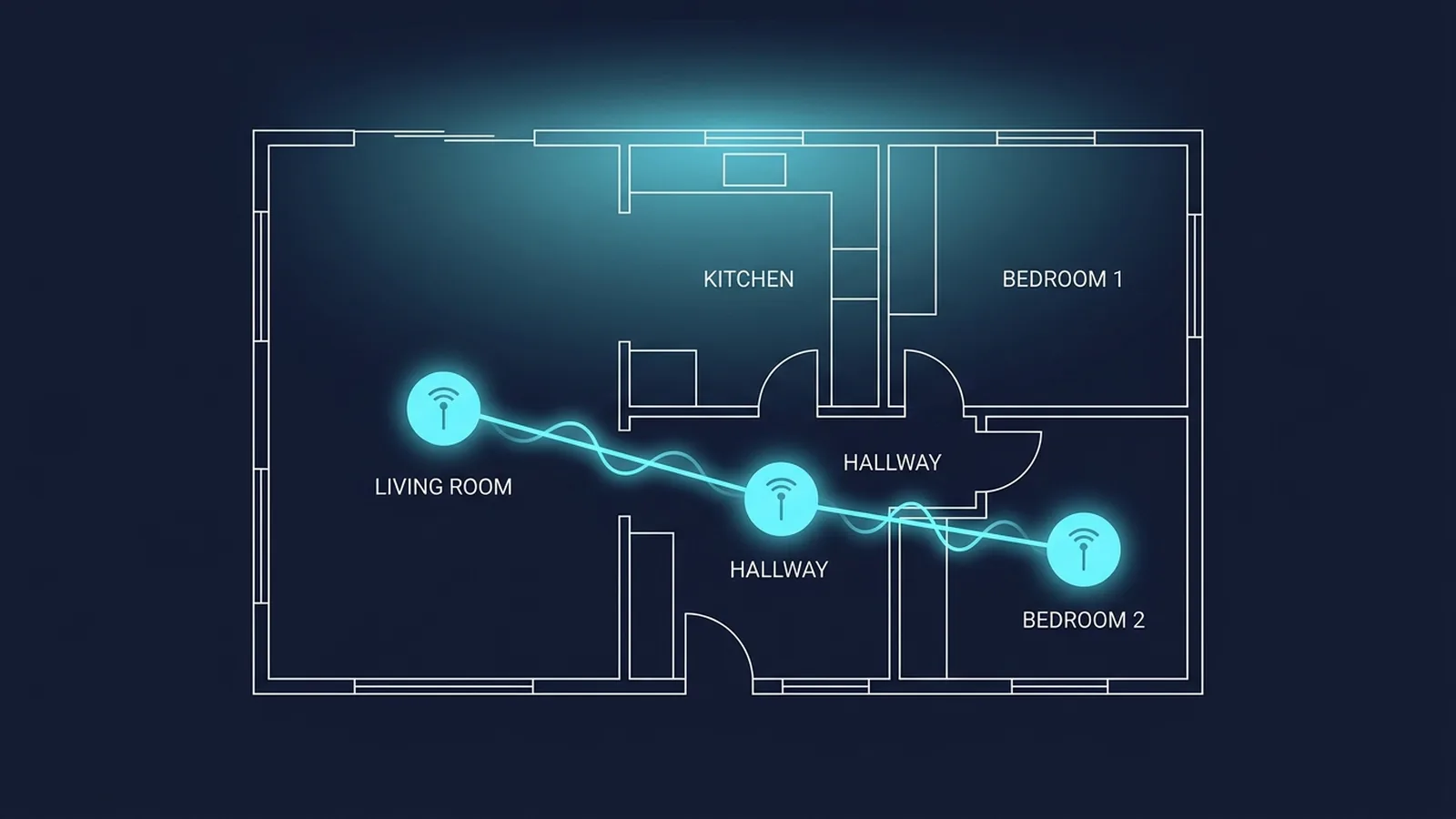
Here's the detail most early coverage skips: Wi-Fi 8 (802.11bn) isn't primarily chasing a bigger top-speed number the way most past generations did. Its formal design targets, set by the IEEE working group, are built around what's called Ultra-High Reliability (UHR) — specifically a 25% reduction in worst-case (95th percentile) latency, a 25% reduction in packet loss, and 25% fewer dropped connections when roaming between access points in a mesh setup. The headline feature enabling this is Multi-AP Coordination (MAPC), where multiple access points actively share live information about load, interference, and client state with each other instead of operating independently — closer to how modern cellular networks coordinate towers than how home Wi-Fi has traditionally worked.
Why That Actually Matters More Than a Speed Bump
For most home users, raw throughput stopped being the bottleneck several Wi-Fi generations ago — Wi-Fi 6E and 7 already deliver more bandwidth than most home internet plans can use. What still causes real, felt problems is inconsistency: the video call that stutters for three seconds when a neighbor's network gets busy, or the dropped connection walking between rooms on a mesh system. Wi-Fi 8's reliability-first design targets exactly that category of annoyance, which is arguably a more useful upgrade for day-to-day use than another speed-rating increase would be.
The Bottom Line for Your Next Purchase
None of this changes the timing math from earlier in this article — Wi-Fi 8's real benefits won't be reliably available in certified, interoperable hardware until the Wi-Fi Alliance certification program launches around CES 2028. But it does mean that when Wi-Fi 8 hardware is finally ready, the upgrade case will likely be about consistency and reliability rather than a number on a box — worth keeping in mind so you're not disappointed if "Wi-Fi 8" doesn't come with a dramatically higher top speed when it finally arrives.