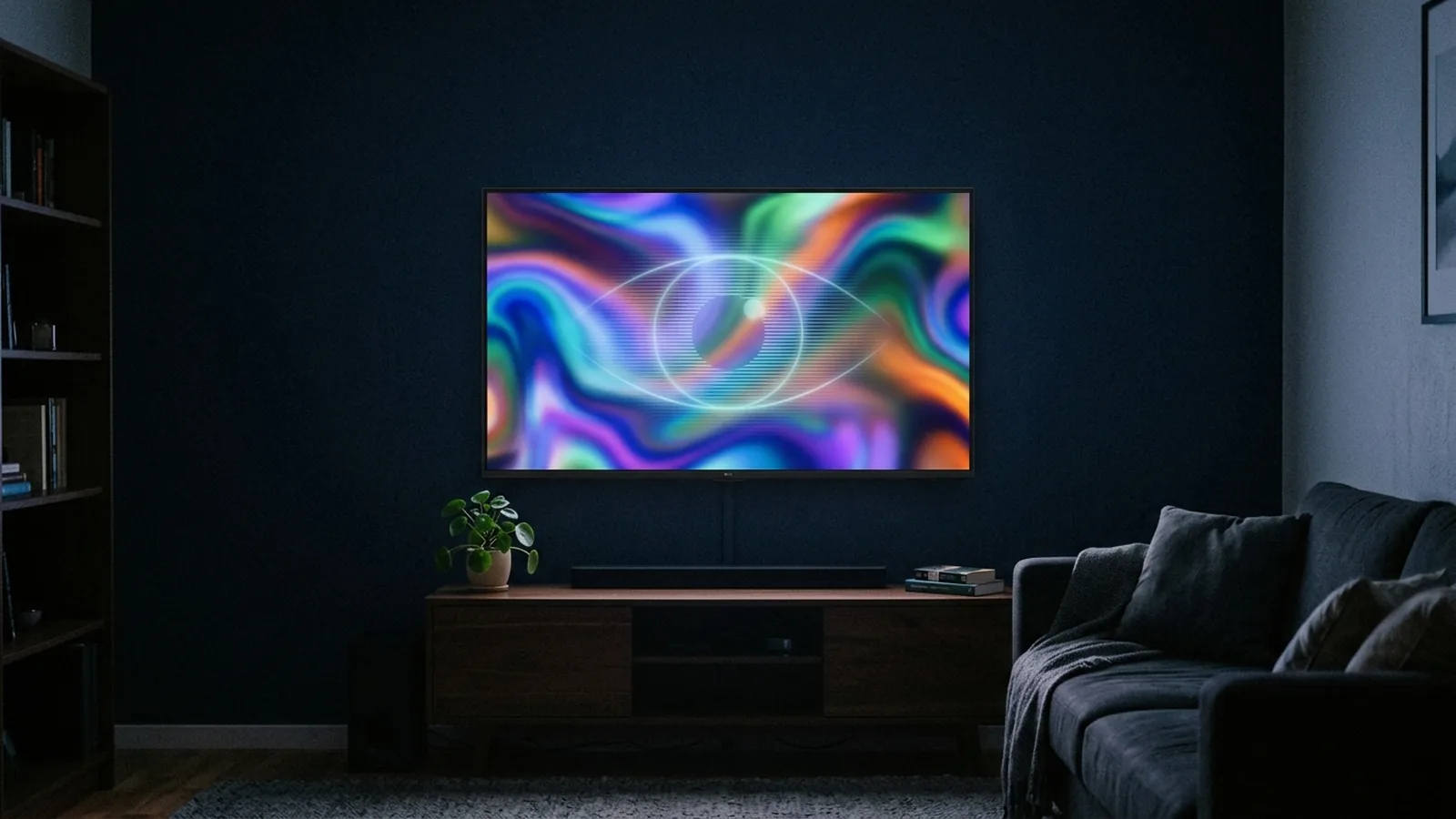
Nearly every smart TV sold today runs a technology called Automatic Content Recognition in the background, constantly identifying what's on your screen — streaming, cable, a game console, anything — and reporting it back to the manufacturer. It's enabled by default on virtually every brand, and most owners never see the setting that turns it off.
How ACR Actually Works
Automatic Content Recognition works something like Shazam for your television, but running continuously and automatically rather than something you trigger yourself. Every few seconds, the TV captures a small fingerprint of whatever is currently displayed on screen and sends it to a recognition server, which matches it against a database of shows, movies, and ads, then logs exactly what was watched, when, and for how long — regardless of whether that content came from a streaming app, a cable box, or a game console plugged into the TV.
Why It's the Business Model, Not a Side Feature
This isn't an accident of engineering — it's the economic model that subsidizes cheap smart TV hardware. Manufacturers have found that the recurring revenue from selling viewing data and targeted advertising is substantial enough to let them sell TVs at thin or near-zero hardware margins, making up the difference through data collection after the sale. That's a big part of why ACR defaults to enabled on every major brand, and why the setting to disable it is often buried several menus deep rather than surfaced during initial setup.
This Isn't Just a Theoretical Concern Anymore
On February 26, 2026, Samsung became the first television manufacturer to settle a lawsuit brought by the Texas Attorney General specifically over its Automatic Content Recognition practices — a concrete legal consequence, not just a privacy advocate's hypothetical concern. Regulatory frameworks like the EU's GDPR and California's CCPA also apply directly to this kind of data collection, requiring informed consent and disclosure — though enforcement and actual user awareness still lag well behind how widely ACR is deployed.
How to Actually Turn It Off
The exact menu path differs by brand, but the setting generally lives somewhere under Privacy or Terms & Policies rather than under general Settings, which is part of why so few people find it:
- Samsung: Settings → General → Terms & Policy → look for "Viewing Information Services" or similar, and disable it.
- LG: Settings → All Settings → General → look for "Live Plus" and turn it off.
- Sony / Vizio / Roku TVs: generally under Settings → Privacy, look for ACR, "Viewing Data," or a similarly named toggle.
Menu names change between firmware versions, so if the exact label doesn't match, searching your TV's settings for "privacy," "viewing," or "ACR" directly usually surfaces it faster than hunting through every submenu manually.
What Turning It Off Does and Doesn't Change
Disabling ACR stops the ongoing content-fingerprinting and reporting — it doesn't remove data already collected, and it generally doesn't affect the TV's core functionality or your streaming apps, since ACR runs independently of the apps themselves. It's a genuinely low-cost privacy improvement: there's essentially no functional downside to turning it off if you'd rather your viewing habits not be logged and sold.
Our Take
ACR is a good example of a privacy tradeoff most people never actually agreed to in any meaningful sense — it's on by default, buried in settings, and directly tied to how the TV's low price was made possible in the first place. The Samsung settlement is a sign this is starting to get real regulatory attention, but until enforcement catches up broadly, turning it off yourself is the only reliable way to opt out.
Does This Affect Content You Watch Through a Streaming Box or Console?
Yes — this is one of the more surprising parts of how ACR works. Because it analyzes whatever appears on the physical screen rather than tracking data from a specific app, ACR can identify and log content coming through an external device plugged into the TV, like a game console, streaming stick, or cable box, even though that content never passed through any of the TV's own built-in apps. Turning off ACR at the TV level closes this gap regardless of what's connected to it.
Why Regulators Are Only Now Catching Up
ACR has existed in some form for close to a decade, but enforcement has lagged well behind deployment for a familiar reason: the data collection happens passively in the background, with no obvious signal to the average user that it's occurring, and the disclosures required by law are typically buried in lengthy terms-of-service documents that almost nobody reads in full during setup. The February 2026 Samsung settlement is a meaningful signal that this gap between quiet deployment and public awareness is starting to close, but it's still the first major enforcement action of its kind against a top TV manufacturer, not the end of the story.