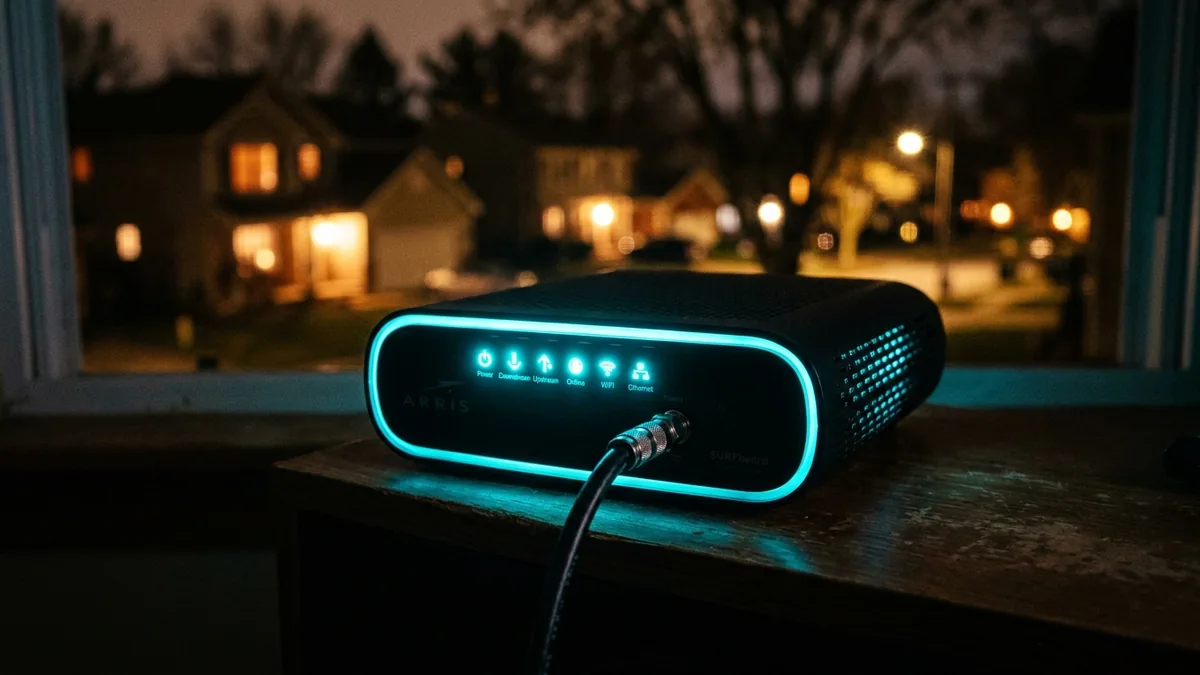
Shaw Communications, now part of the Rogers family of brands following their 2023 merger, continues delivering cable internet across British Columbia, Alberta, and other Western Canadian provinces, competing directly with Telus's fiber footprint in overlapping areas.
Typical Shaw Speed Tiers
| Plan Tier | Advertised Speed | Realistic Speed Test Range |
|---|---|---|
| Internet 150 | 150 Mbps | 130-150 Mbps |
| Internet 300 | 300 Mbps | 260-295 Mbps |
| Internet 1 Gig | 1000 Mbps | 800-950 Mbps |
As a cable (DOCSIS) provider, Shaw's upload speeds are typically much lower than download on the same plan, an inherent characteristic of cable technology's asymmetric design rather than a fault, unlike Telus's symmetric PureFibre offering in overlapping coverage areas.
How to Test Your Shaw Speed Correctly
Connect via Ethernet directly to your Shaw modem/gateway for the most accurate baseline, and be aware that cable's shared neighborhood infrastructure means testing during evening peak hours can reveal more variation than a dedicated fiber connection would show under similar conditions.
Common Shaw Gateway Issues
Shaw's BlueCurve Gateway generally delivers solid WiFi performance for typical homes, though users in larger properties sometimes need Shaw's BlueCurve Pods (mesh extenders) to eliminate coverage gaps in rooms or floors distant from the main gateway installation.
Step 1: Restart Your Gateway Properly
A full power cycle clears temporary performance degradation and is a reasonable first troubleshooting step before escalating to Shaw/Rogers customer support for a persistent issue.
Step 2: Check for Area-Wide Congestion
Because cable networks share capacity at a local node level, a spike in neighborhood usage can measurably affect your speeds even with fully functional equipment on your end. Shaw's support channels can confirm whether known issues are affecting your specific area.
Step 3: Consider Your Post-Merger Support Experience
Following the Rogers-Shaw merger, some customers have reported transitional changes in customer service processes and app interfaces, so confirming you're using current support channels (which may have migrated from legacy Shaw systems to Rogers-integrated ones) avoids wasted time on outdated troubleshooting paths.
When to Contact Support
If your wired speed test consistently falls well below your plan's typical speed, that's worth raising directly with support, since cable connections should still reliably deliver results reasonably close to advertised figures barring genuine local congestion or equipment issues.
Does the Rogers Merger Affect Network Infrastructure?
The underlying Shaw cable infrastructure itself hasn't fundamentally changed due to the merger in the short term, though long-term integration plans may eventually affect network investment and upgrade timelines in ways that are still unfolding as the combined company continues integrating operations.
A Realistic Expectation for Gigabit Customers
Gigabit customers should see results in the 800-950 Mbps range on a wired connection during off-peak hours, with WiFi results meaningfully lower due to WiFi's inherent throughput ceiling compared to a wired gigabit connection.
Rural and Suburban Coverage Differences
Shaw's cable footprint is strongest in more densely populated urban and suburban areas, while some rural parts of British Columbia and Alberta remain better served by Telus's fixed wireless or satellite alternatives, making it worth confirming which technology actually reaches your specific address before comparing your results against urban cable benchmarks that may not apply.
Winter Weather and Outdoor Cable Infrastructure
Extreme cold or ice storms common in parts of Western Canada can occasionally affect outdoor cable infrastructure, and while modern cable networks are generally weather-resistant, a sudden speed drop coinciding with severe winter weather is worth checking against Shaw's service status tools before assuming a persistent equipment fault requiring a technician visit.
Bundled TV and Home Phone Services
Many Shaw customers bundle internet with TV and home phone services, and since these can share some underlying equipment, a broader service disruption affecting multiple bundled services simultaneously is worth reporting as a combined issue rather than troubleshooting each service independently, which can speed up resolution during a support call.
A Closing Note for Long-Time Shaw Customers
Customers who've been with Shaw for many years through its various ownership changes should periodically review their current plan against newer offerings, since legacy plans occasionally lag behind current pricing and speed tiers available to new customers, making a call to review your options a reasonable habit every year or two.
Final Thoughts on Navigating the Post-Merger Transition
As Shaw continues integrating into the broader Rogers organization, staying aware of which support channels, apps, and account systems are currently active for your specific service helps avoid confusion during what remains an ongoing transition, and checking official communications directly from Shaw or Rogers is more reliable than assuming legacy processes remain unchanged indefinitely throughout this multi-year integration effort between the two companies.
A Practical Summary
Testing wired first, understanding cable's asymmetric upload/download design, checking for local congestion and weather-related factors, and staying current on which support channels are active post-merger together give Shaw customers a clear, practical path to diagnosing whether their connection is genuinely underperforming or simply behaving as expected for cable technology.