The Ethernet Marketing Trap
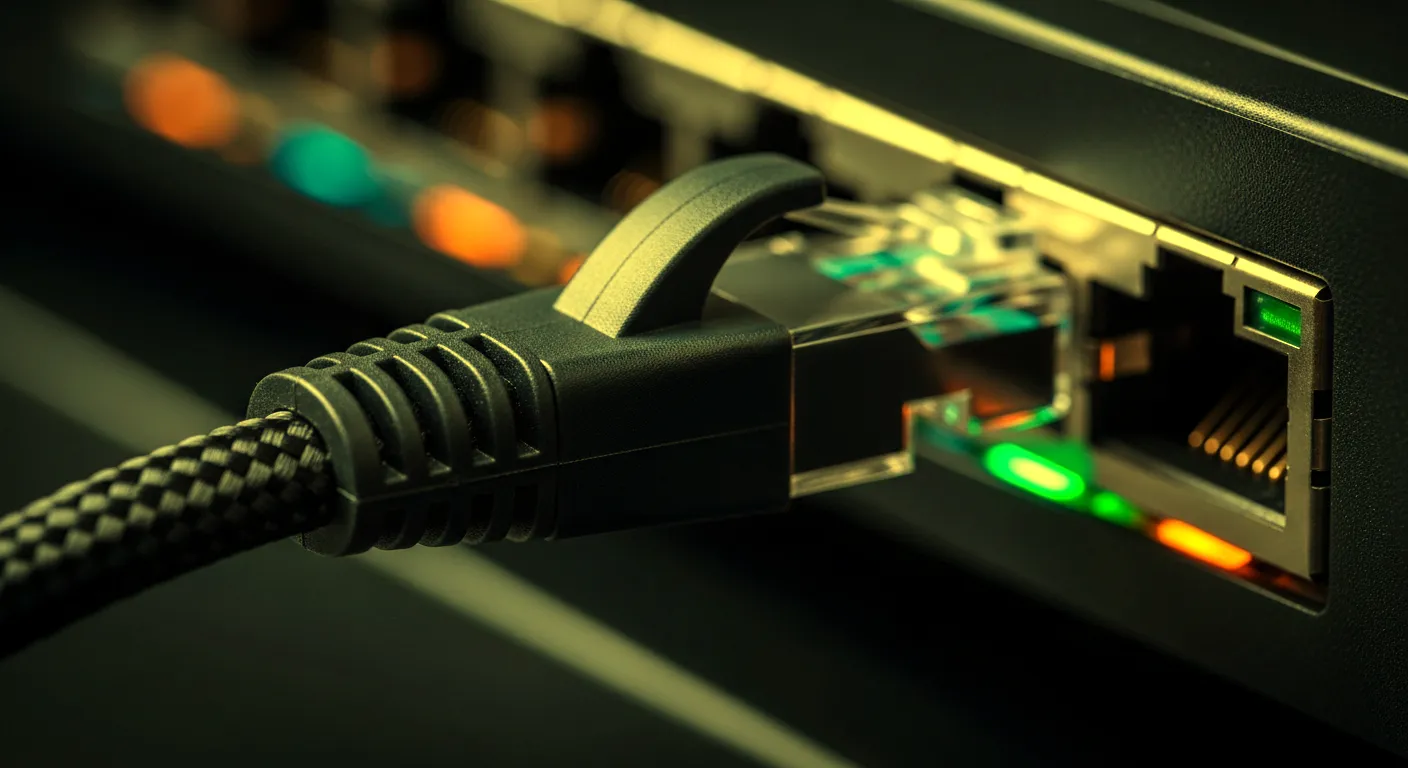
If you search for an Ethernet cable today, the top results will heavily advertise "Cat 8 Ethernet for Max Gaming Speed." These cables are wrapped in braided nylon, cost $30, and are completely unnecessary. In many cheap brands, they are actually fake and perform worse than an old cable.
The Specs: What the Cables Actually Do
- Cat 5 (Obsolete): Max 100 Mbps. Throw these away.
- Cat 5e: Max 1 Gbps (often scales to 2.5 Gbps on short runs). Still fine for 90% of home uses today.
- Cat 6: Max 10 Gbps (up to 55 meters / 180 feet). The sweet spot.
- Cat 6a: Max 10 Gbps (up to 100 meters). Thicker, harder to route. Only needed for massive houses.
- Cat 7: Proprietary standard not recognized by IEEE. Avoid completely.
- Cat 8: Max 40 Gbps. Designed strictly for datacenter server-to-switch connections under 30 meters.
The "Cat 8 Gaming" Scam
A cable does not process data. It is copper wire. A Cat 8 cable cannot give you lower game ping than a Cat 6 cable. Electrons travel at the exact same speed through both. Zero ping difference.
Furthermore, many cheap "Cat 8" cables on Amazon from unknown brands are just poorly shielded Cat 5e wire with fake printing. When we tested three generic $12 "Cat 8" cables with a Fluke analyzer, two failed basic Cat 6 crosstalk standards.
Flat Cables vs Round Cables
Avoid "flat" Ethernet cables for runs longer than 15 feet. To make the cable flat, manufacturers stop twisting the internal copper pairs. The twisting is what protects the signal from electromagnetic interference. Flat cables suffer from severe crosstalk and packet loss over long distances.
What Should You Buy?
Buy a standard, round Cat 6 cable from a reputable networking brand (Monoprice, Cable Matters, Belkin). It will handle up to 10 Gbps, perfectly future-proofing your home for the next decade, and costs about $8.